



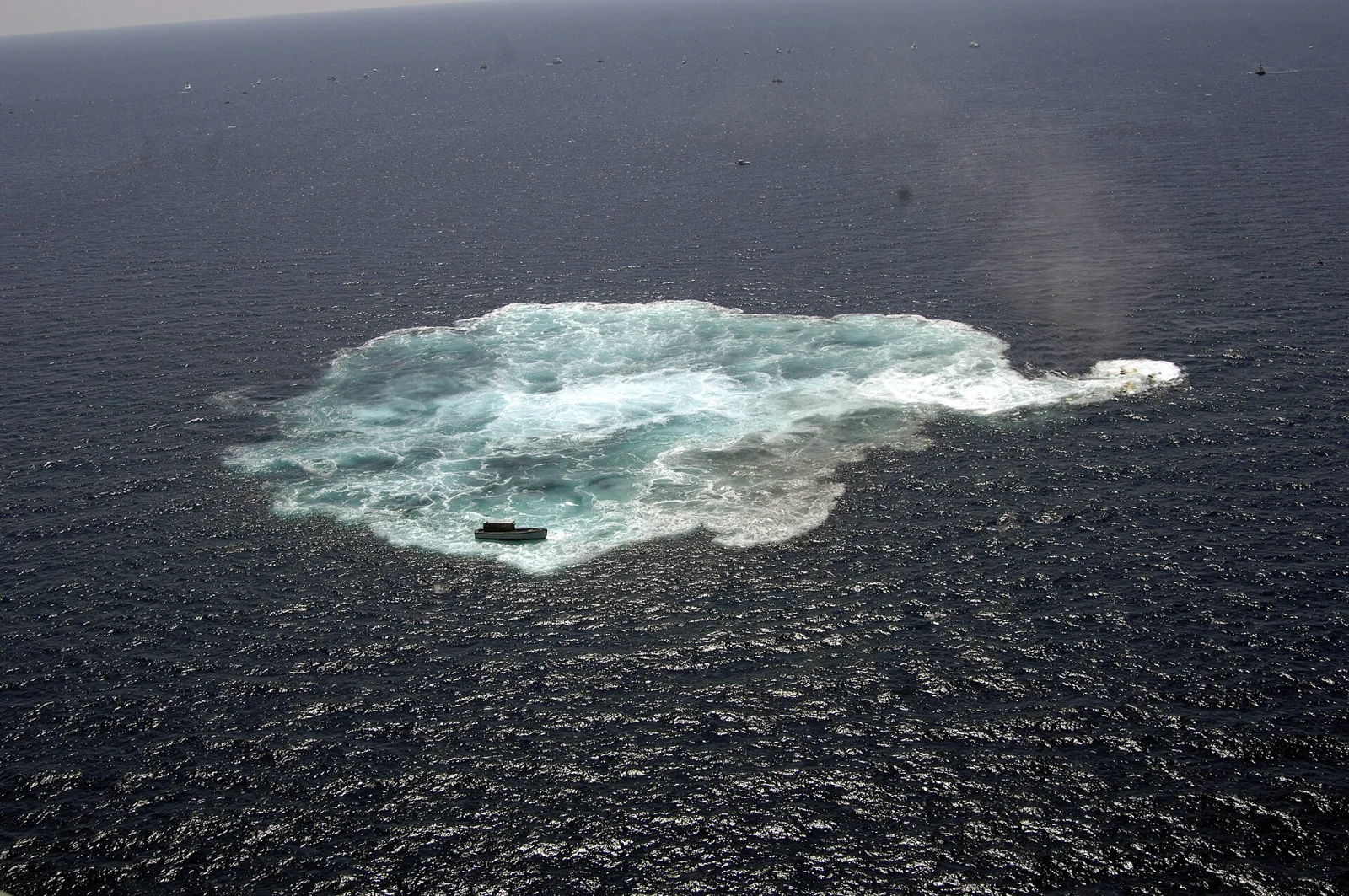
A sunken ship can become a remarkable underwater landmark. It can also raise a deceptively simple question: does putting a structure in the sea make a better ecosystem? The answer depends on what is placed there, where it goes and how its effects are measured. The former USS Oriskany is a vivid case study, but the principles apply to artificial reefs far beyond one ship.
NOAA defines artificial reefs broadly as human-made structures placed or found underwater that provide hard surfaces and shelter. Marine organisms can attach to these surfaces, and fish may gather around them. Some reefs are designed for habitat enhancement; others are also associated with diving and fishing. Those benefits are possible, not automatic. Good planning begins before anything is sunk.
Preparation is part of the environmental story
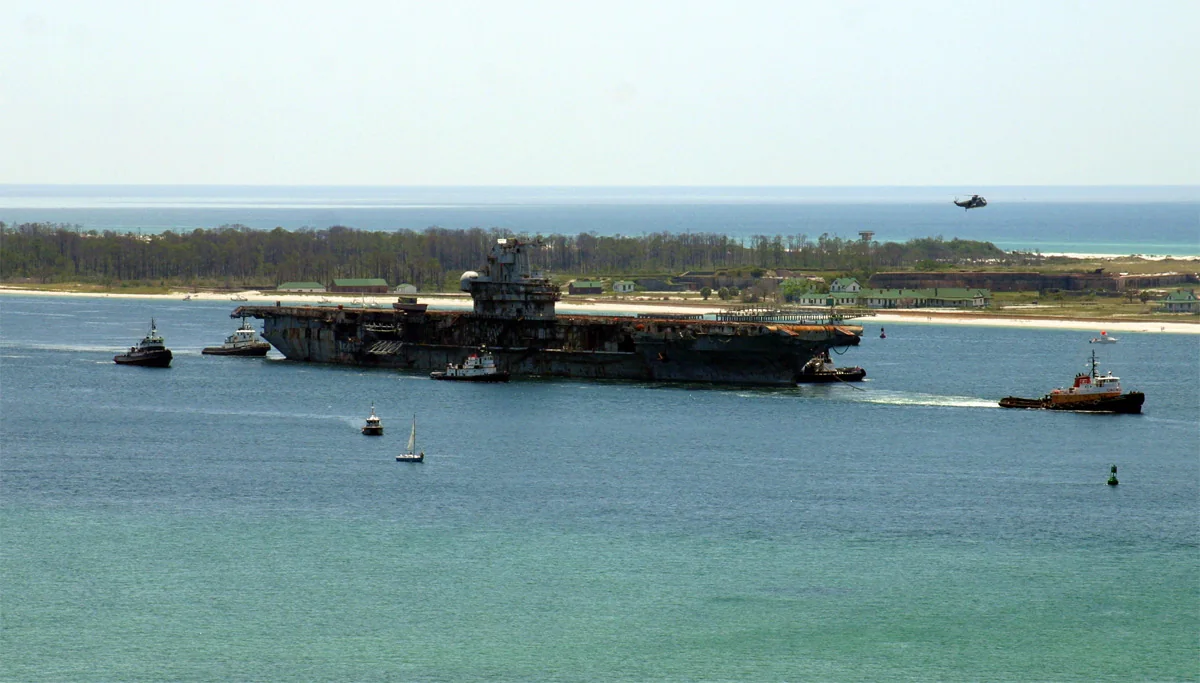
A vessel built for naval service was not designed to spend decades as habitat. Before a ship becomes a reef, managers must consider materials that could harm the environment, how the hull will sit, whether it will affect navigation, and what deterioration could mean years later. The U.S. Navy documented environmental preparation for the ex-Oriskany project. In Florida, the Navy worked with state and local partners on the 2006 placement.
Location changes everything. Light, currents, depth, sediment and nearby natural habitats influence which species can use a structure. An artificial reef in shallow, warm water may develop differently from one far offshore and more than 200 feet deep. Even at a single site, storms and corrosion can alter what divers and animals encounter. The Florida Fish and Wildlife Conservation Commission notes these changes when it advises people about the Oriskany.
Attracting fish is not the whole test
Fish around a wreck make compelling photographs, yet a crowded site does not by itself prove a larger regional population. Some animals may have moved from elsewhere. Scientists therefore ask broader questions: does the reef support growth and reproduction, how does it affect nearby habitats, and does fishing pressure concentrate around it? NOAA’s research on shipwrecks and reefs examines how fish communities use these structures to guide decisions about marine habitat and offshore development.
This is also why an artificial reef should not be described as a substitute for protecting natural reefs. A built structure may add habitat or support recreation in a particular setting, but healthy seas depend on water quality, sustainable fishing and protection of natural ecosystems. The most useful reef projects are evaluated against those larger goals rather than celebrated only for their size.
People are part of the system
Reefs attract divers and fishing boats, which can benefit coastal communities. They also create practical responsibilities. Visitors need current information about weather, depth, currents and local rules. On the Oriskany, state guidance explicitly warns against entering the ship and stresses that training and equipment must match the dive. A site’s public appeal should never hide its hazards.
The Oriskany’s second life illustrates both the promise and the work behind artificial reefs. Its steel gives marine life a place to gather and offers people a new way to encounter maritime history. The real measure of success is long-term: sound preparation, honest observation and management that keeps both the sea and its visitors in view.