


A ship’s official history can tell us when it sailed and where it served. It cannot, on its own, capture every voice heard on the flight deck or every letter sent home. That is why personal collections matter. Independent collections and tributes have documented USS Oriskany, known to many of her crew as the “Mighty O.” Personal records offer a glimpse of a community preserving details that would otherwise be easy to lose.
Cruise books, deck logs, artifacts, home movies and memories contributed by former crew members and their families add depth to the official record. These materials show how a ship's history continues through the people who served aboard her.
The ship behind the documents
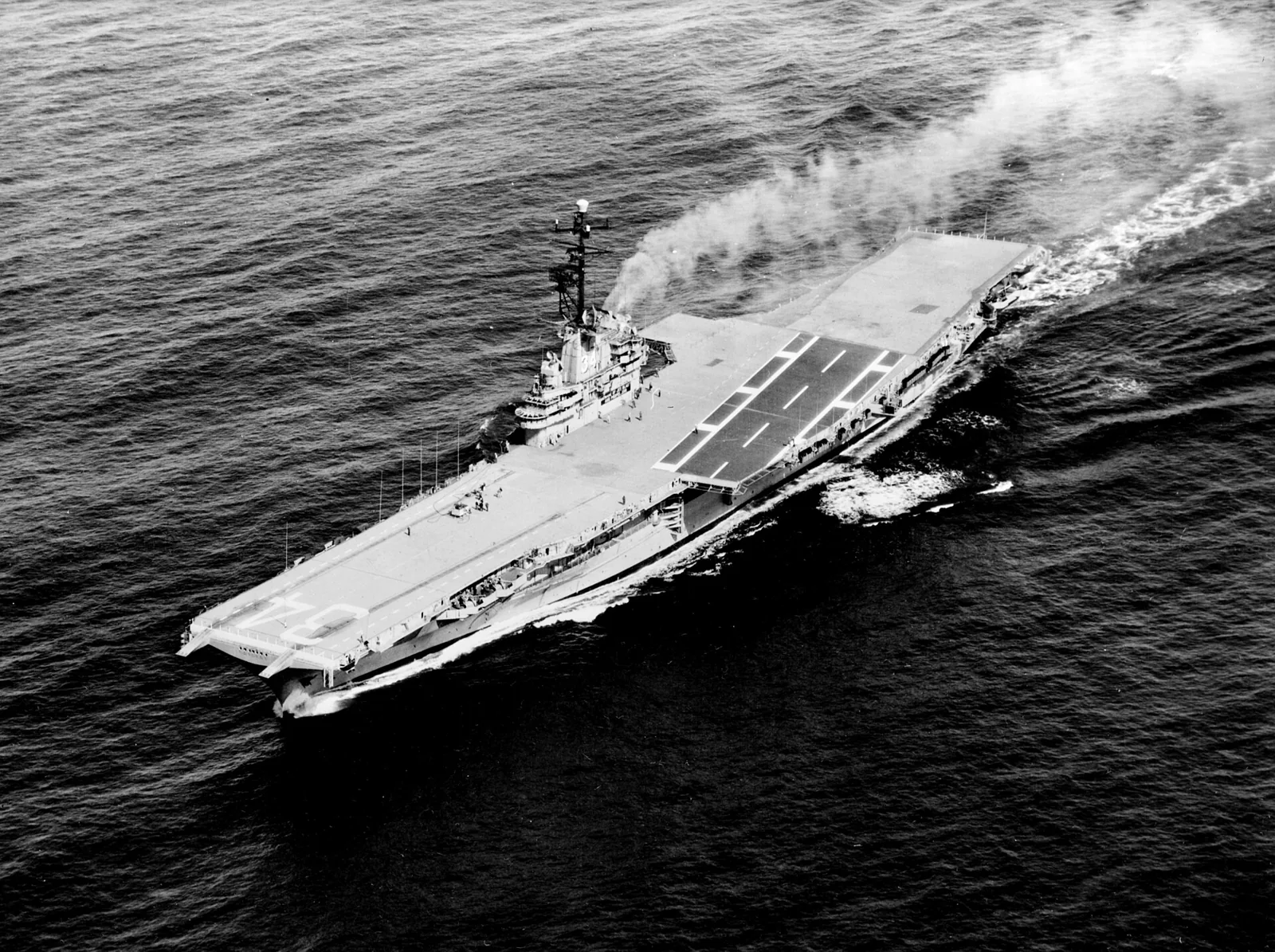
The carrier was named for the Revolutionary War Battle of Oriskany. She entered commission on 25 September 1950 and later served during the Korean and Vietnam wars. The Naval History and Heritage Command’s ship history follows her movements, operations and changes across more than two decades. It is the necessary framework for understanding where the ship went, but personal collections add the textures of life within that framework.
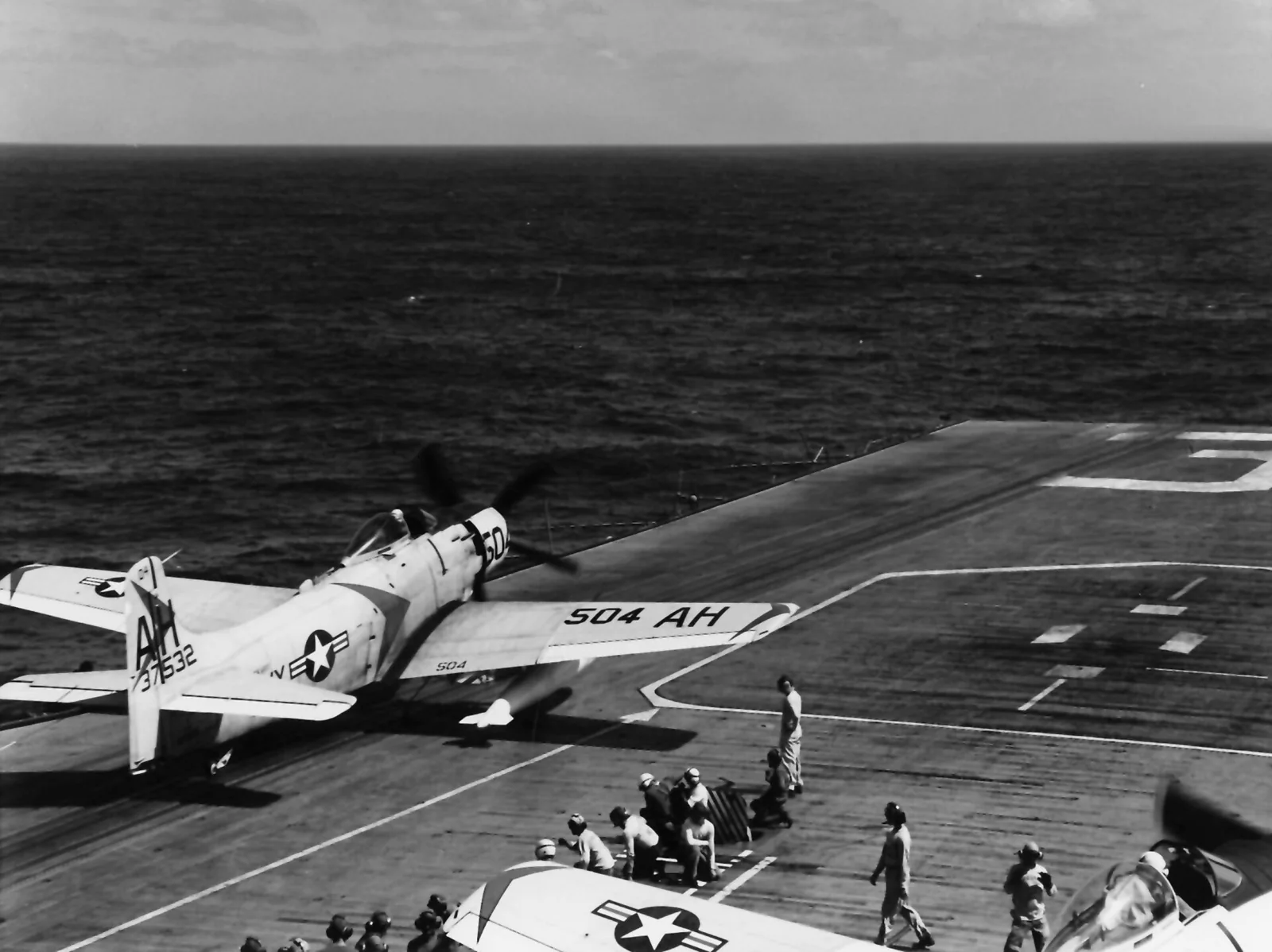
A cruise book can show who served together and how a particular deployment was remembered. A deck log can place a ship at a moment in time and record the routine work that made a voyage possible. A photograph may reveal the arrangement of a workspace, an aircraft, or simply a group of people who knew one another. Each source has limits. A photograph does not explain every circumstance; a log does not convey every feeling. Read together, they can produce a fuller history.
Remembering the difficult chapters
Maritime history also contains loss. A fire aboard the Oriskany on 26 October 1966 killed 44 men, according to the Navy’s historical account. Any retelling should treat those deaths and the families affected by them with care, rather than turning tragedy into spectacle. Personal records can help preserve names and context, but they should be read alongside authoritative documentation and with respect for the people represented.
The ship’s years at sea ended in 1976. Its physical journey continued: after time in reserve and a long preparation, it was intentionally sunk off Florida in 2006 as an artificial reef. That later chapter is often the most visible today, especially in dramatic dive imagery. These records remind us that a reef began as a vessel operated by human beings, with routines, friendships, danger and work that did not always make headlines.
How to use a digital maritime archive well
Start with a question, not just a photograph. If an image shows an aircraft on deck, find its date and the ship’s location. If a memoir describes an event, compare the account with logs and official histories where possible. Credit the person who saved or donated a document. Preserve the distinction between the original artifact and later commentary. These small habits make a collection more useful to historians, veterans’ families and curious readers alike.
The care taken with personal records shows how much one person and a community can do to keep a ship's memory accessible. This journal takes a different form, covering maritime subjects beyond one carrier. The name Oriskany still gives us a point of departure: look closely, verify what can be verified, and remember the people behind the steel.