


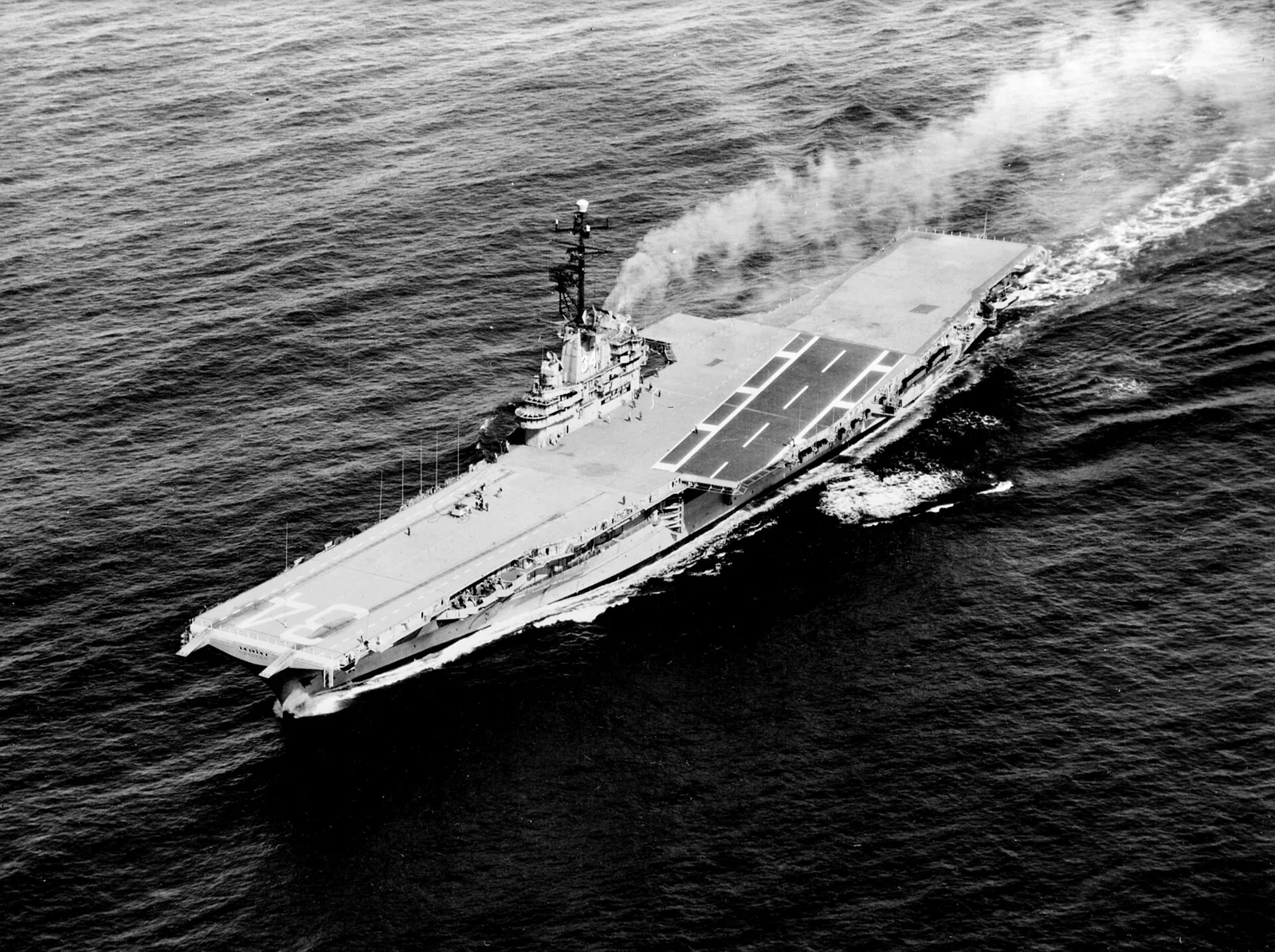
A photograph of a carrier can feel like a complete explanation of a moment: aircraft on the deck, people at work, a ship at sea. Yet the image usually leaves important questions unanswered. Reading it as a historical record means looking for its date, source, caption, and context before turning a striking scene into a confident story.
Begin with the archive's description
Record where the image was found and the identifier assigned by the archive. Read the full caption and any notes about the photographer, collection, or later reproduction. A picture copied into a discussion forum may have lost those details even when the image itself remains recognizable.
The Naval History and Heritage Command is a primary starting point for naval-history research. The National Archives also provides research resources and descriptions of government records. Search for the collection context rather than treating the first isolated image result as a complete source.
Separate visible details from interpretation
Make a simple list of what the photograph actually shows. Distinguish an identifiable feature from a guess about the unit, location, operation, or people involved. A similar aircraft or shipboard arrangement can appear across different periods; appearance alone may not settle the date.
Use careful language when discussing uncertainty. "The archive identifies the photograph as…" communicates something different from "This must be…" Preserve that distinction when writing notes or sharing the image with others who may not have access to the original description.
Check the caption against other records
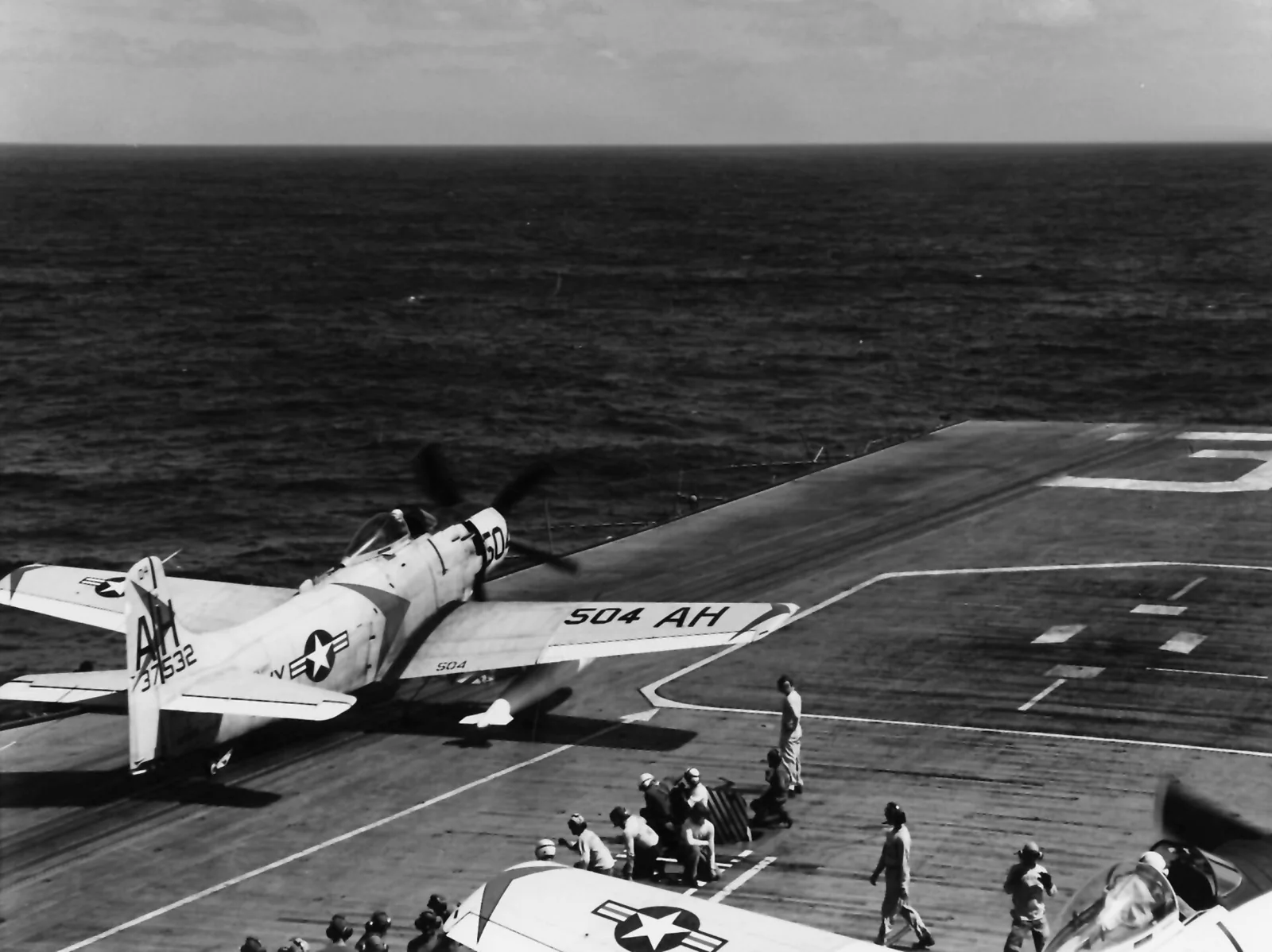
Look for corroborating material such as an official ship history, a dated report, or another image from the same collection. Do not assume that two websites provide independent confirmation if both repeat the same unsourced caption. Trace the information back as far as the available record allows.
If a caption contains an uncertain or approximate date, retain that qualification. A precise date inserted into a social-media post can become difficult to distinguish from archival fact after it has been copied several times. It is better to leave a question open than to improve the appearance of certainty without evidence.
Notice what the frame excludes
A photograph records a selected view. It does not automatically explain the activity before or afterward, the photographer's instructions, or the experience of every person present. A busy deck image and a quiet portrait may both come from the same larger history without representing it in the same way.
Personal accounts can add valuable context, but identify them as personal accounts and preserve their source. Avoid attaching a specific person's experience to an unidentified figure simply because the details seem to fit the scene.
Share the research trail with the image
When permitted to reproduce or link to the photograph, follow the archive's usage guidance and include the reference information. Provide enough context for another reader to find the record and check the description. Keep your interpretation separate from the archive's caption.
This method leaves room for both interest and uncertainty. A naval photograph becomes more useful when its visual detail is connected with a traceable record. The aim is not to remove the human response to the image, but to give that response a firmer historical foundation.
Related reading: A Flight Deck Remembered: What the Oriskany Archives Preserve